 |
Read the Secretariat’s Press Release on the need to prioritise waste management during the COVID-19 outbreak.
BRS Secretariat urges sound management of medical and household waste as part of COVID-19 response
Geneva, 20 March 2020 - With the coronavirus disease (COVID-19) pandemic continuing to spread and its impacts upon human health and the economy intensifying day-by-day, governments are urged to treat waste management, including of medical, household and other hazardous waste, as an urgent and essential public service in order to minimise possible secondary impacts upon health and the environment.
During such an outbreak, many types of additional medical and hazardous waste are generated, including infected masks, gloves and other protective equipment, together with a higher volume of non-infected items of the same nature. Unsound management of this waste could cause unforeseen “knock-on” effects on human health and the environment. The safe handling, and final disposal of this waste is therefore a vital element in an effective emergency response.
Effective management of biomedical and health-care waste requires appropriate identification, collection, separation, storage, transportation, treatment and disposal, as well as important associated aspects including disinfection, personnel protection and training. The UN Basel Convention’s Technical Guidelines on the Environmentally Sound Management of Biomedical and Healthcare Wastes, includes information and practical aspects of waste management useful for authorities seeking to minimise hazards to human health and the environment.
Further resources on the safe handling and final disposal of medical wastes can be found on the website of the Basel Convention’s Regional Centre for Asia and the Pacific, in Beijing, which lists a series of guidance documents and best practices at: https://bcrc.tsinghua.edu.cn/en/col/1257152450718/index.html
The safe management of household waste is also likely to be critical during the COVID-19 emergency. Medical waste such as contaminated masks, gloves, used or expired medicines, and other items can easily become mixed with domestic garbage, but should be treated as hazardous waste and disposed of separately. These should be separately stored from other household waste streams and collected by specialist municipality or waste management operators. Guidelines on the specificities of recycling or disposing of such waste is given in detail in the Basel Convention’s Factsheet on Healthcare or Medical Waste, at: https://www.basel.int/?tabid=5839
Parties to the Basel Convention are currently working on a guidance document for soundly managing household waste and whilst not yet finalized, an initial draft may be consulted for provisional guidance: https://www.basel.int/?tabid=8227
The BRS Executive Secretary, Rolph Payet, stated that “All branches of society are coming together to collectively beat the virus and to minimize the human and economic impact of COVID-19 across the world. In tackling this enormous and unprecedented challenge, I urge decision-makers at every level: international, nationally, and at municipal, city and district levels, to make every effort to ensure that waste management, including that from medical and household sources, is given the attention - indeed priority - it requires in order to ensure the minimization of impacts upon human health and the environment from these potentially hazardous waste streams.”
Notes for Editors:
The Basel Convention on the Control of Transboundary Movements of Hazardous Wastes and their Disposal is the most comprehensive international environmental agreement on hazardous and other wastes and is almost universal, with 187 Parties. With an overarching objective of protecting human health and the environment against the adverse effects of hazardous wastes, its scope covers a wide range of wastes defined as hazardous based on their origin and/or composition and characteristics, as well as two types of waste defined as “other wastes”, namely household waste and incinerator ash. For more info see: www.basel.int
The Secretariat of the Basel, Rotterdam, and Stockholm Conventions, or BRS Secretariat, services the three leading multilateral environment agreements governing hazardous chemicals and waste, in order to protect human health and the environment. See www.brsmeas.org for more info and follow the @brsmeas twitter feed for daily news.
For BRS conventions general media enquiries see: www.brsmeas.org or contact:
Charlie AVIS,
BRS Public Information Officer,
Geneva +41-79-730-4495
|
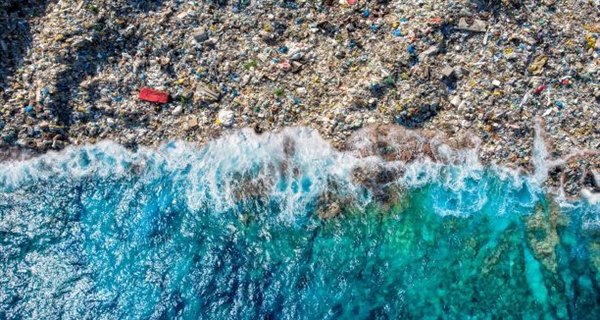 |
The first meeting of the Basel Convention’s new Plastic Waste Partnership concluded successfully in Seychelles, 5 March 2020. Read the outcomes summarised in the BRS Press Release.
Governments, industry, civil society and UN join forces to beat plastic waste pollution
Geneva, 5 March 2020 - With an estimated 100 million tonnes of plastic waste in the oceans, 80-90% of which comes from land-based sources[1], a new Plastic Waste Partnership, established by the Basel Convention, has met for the first time to discuss ways to prevent, minimise, and soundly manage, plastic waste from across the world.
The meeting, convened by the Secretariat of the Basel, Rotterdam, and Stockholm Conventions (BRS) and hosted by the Seychelles Ministry of Environment, Energy and Climate Change, gathered more than 100 representatives from members of the Partnership, in Seychelles from 2 to 5 March 2020.
At the opening of the meeting, Norwegian Minister of Climate and Environment, Mr. Sveinung Rotevatn, called the Partnership “a unique opportunity to kick-start the efforts to better deal with the environmental challenges of plastic waste.” Mr. Didier Dogley, Seychelles Minister for Tourism, Civil Aviation, Ports and Marine then said that “in 2018, on World Environment Day, the world was called to beat plastic pollution. We were then reminded that our world is drowning in plastic pollution. I wish to commend the Basel Convention for initiating this Plastic Waste Partnership; I feel comforted to see that there is a real commitment by the world community towards fighting this plastic curse at the global level.”
The BRS Executive Secretary, Mr. Rolph Payet, announced a new project on plastic waste funded by the Norwegian Development Agency, Norad, to help build capacities for managing plastic waste in developing countries and countries with economies in transition. He described how this 6.9 million USD project will help operationalize the Plastic Waste Amendment adopted in May 2019 by 187 Parties to better incorporate plastic wastes of most concern into the legally-binding framework of the Basel Convention. The new project supports many activities of Convention’s work programme, for instance a Small Grants Programme which will channel funds to the grassroots level in priority regions.
The meeting outcomes included agreement on the activities the Partnership working group will tackle as a first step. This includes activities on prevention and minimization of plastic waste, facilitating its proper collection and recycling, preparations for entry into force of the Plastic Waste Amendment and plans for outreach and awareness raising activities. The working group will develop and implement these activities along with supporting pilot projects and will provide a first report back on its progress at the twelfth meeting of the Open-ended Working Group of the Basel Convention (Geneva, 22-25 June 2020).
Also launched during the meeting was a Plastic Waste Photo Contest, aiming to raise awareness not only of the plastic waste problem, but also the solutions out there, our collective progress to date and the challenges and opportunities moving forward. Entries from professional, amateur, and junior photographers are invited by 30 September 2020 and will be judged by a National Geographic photographer.
Reflecting on the packed week of discussions, events and announcements, BRS Executive Secretary, Mr. Rolph Payet, applauded the Partnership on its first great leap forward in tackling the plastic waste issue while noting that the hard work was just about to begin. He also reaffirmed the commitment of the BRS Secretariat to the issue and in its support to the Partnership.
Separately, Mr Payet met with the President of Seychelles, H.E. Mr Danny Faure. More details are available on the Seychelles State House website: https://www.statehouse.gov.sc/news/4758/president-faure-receives-professor-rolph-payet-at-state-house.
The meeting was made possible using funding generously provided by the governments of Canada, Japan, Norway, Seychelles and Switzerland.
Notes for Editors:
The Basel Convention on the Control of Transboundary Movements of Hazardous Wastes and their Disposal is the most comprehensive international environmental agreement on hazardous and other wastes and is almost universal, with 187 Parties. With an overarching objective of protecting human health and the environment against the adverse effects of hazardous wastes, its scope covers a wide range of wastes defined as hazardous based on their origin and/or composition and characteristics, as well as two types of waste defined as “other wastes”, namely household waste and incinerator ash. For more info see: www.basel.int
On May 10, 2019, the Parties to the Basel Convention adopted two important decisions to address plastic waste, namely the adoption of the Plastic Waste Amendment, and a decision setting out a range of further actions, including the establishment of the Plastic Waste Partnership. These steps have strengthened the Basel Convention as the only global legally-binding instrument to specifically address plastic waste. For more on the Amendments see: https://www.basel.int/?tabid=8347
On March 2, 2020, the Plastic Waste Partnership launched the Plastic Waste Photo Contest, to raise awareness on this global issue. For more information on the Contest see: https://www.basel.int/?tabid=8348
The Secretariat of the Basel, Rotterdam, and Stockholm Conventions, or BRS Secretariat, services the three leading multilateral environment agreements governing hazardous chemicals and waste, in order to protect human health and the environment. See www.brsmeas.org for more info and follow the @brsmeas twitter feed for daily news.
For more on the Plastic Waste Partnership, contact:
Susan WINGFIELD
BRS Programme Officer, Geneva
+41-22-9178406
Melisa LIM
BRS Programme Officer, Geneva
+41-22-91782283
For BRS conventions general media enquiries see: www.brsmeas.org or contact:
Charlie AVIS
BRS Public Information Officer, Geneva
+41-79-730-4495
|
 |
Perfluorohehexane sulfonic acid, its salts, and PFHxS-related compounds, were recommended for listing without exceptions as the POPRC-15 meeting in Rome concluded successfully on 4 October 2019.
New BRS Press Release: Stockholm Convention POPRC experts recommend elimination of PFHxS
Rome & Geneva, 4th October - This week more than 100 scientific experts, from all over the world, attended the 15th meeting of the Stockholm Convention’s Persistent Organic Pollutants Review Committee (POPRC-15), in Rome under the auspices of the United Nations, and recommended that a group of hazardous chemicals be eliminated in order to better protect human health and the environment from its harmful impacts.
Perfluorohexane sulfonic acid (PFHxS), its salts, and PFHxS-related compounds are a group of industrial chemicals used widely in a number of consumer goods as a surfactant and sealant including in carpets, leather, clothing, textiles, fire-fighting foams, papermaking, printing inks and non-stick cookware. They are known to be harmful to human health including the nervous system, brain development, endocrine system and thyroid hormone.
The experts also found that two more hazardous chemicals satisfy the criteria set out in the Stockholm Convention on Persistent Organic Pollutants (POPs), namely that they are toxic to both humans and wildlife, that they persist over long periods in the environment, that they accumulate in organisms, and that when released they can be transported over long distances by air or water. Dechlorane Plus and Methoxychlor will therefore go forward to the next POPRC meeting in 2020 for further review and, taking into account any recommendation from the POPRC, a future meeting of the Conference of the Parties (COP) to the Stockholm Convention may decide to list these chemicals, which would lead to action towards their elimination or reduction from production and use as well as the destruction of existing stocks and management of POPs wastes.
Rolph Payet, Executive Secretary of the Stockholm Convention, said that “This recommendation is based on robust scientific review from experts all over the world who have concluded that listing of PFHxS in the Stockholm Convention would lead to a safer environment, with fewer harmful impacts on the health of humans and wildlife alike.”
Quick on the heels of the recent meeting of the Stockholm Convention COP in May 2019, which - based on recommendations from the POPRC - decided to eliminate production and use of two important toxic POPs, PFOA and Dicofol, this further recommendation to eliminate PFHxS would bring to 31 the total number of POPs listed under the legally-binding Stockholm Convention, which includes thousands of related chemicals. The Convention, which entered into force in 2004 and has 183 Parties, benefits from almost universal coverage across the globe.
Notes for Editors:
PFHxS
PFHxS, its salts and related compounds have unique properties with a high resistance to friction, heat, chemical agents, low surface energy and are used as a water, grease, oil and soil repellent. It is widely utilized in a variety of consumer goods such as carpets, leather, apparel, textiles, firefighting foam, papermaking, printing inks, sealants, and non-stick cookware. PFHxS concentrations are found in biota and humans alike and its elimination takes approximately 8 years. Effects of PFHxS in humans are found to influence the nervous system, brain development, endocrine system and thyroid hormone. For more on PFHxS see: https://chm.pops.int/?tabid=243
POPs and the Stockholm Convention
Exposure to Persistent Organic Pollutants (POPs) can lead to serious health effects including certain cancers, birth defects, dysfunctional immune and reproductive systems, greater susceptibility to disease and damage to the central and peripheral nervous systems. Given that these chemicals can be transported over long distances, no one government acting alone can protect its citizens or its environment from POPs. The Stockholm Convention on Persistent Organic Pollutants, adopted in 2001 and entered into force in 2004, is a global treaty requiring its Parties to take measures to eliminate or reduce the release of POPs into the environment, to protect human health and the environment from chemicals that remain intact for long periods, become widely distributed geographically, accumulate in the fatty tissue of humans and wildlife, and have harmful impacts on human health or on the environment.
For more information on the Stockholm Convention, POPs, and POPRC: www.chm.pops.int
For more info:
Technical contact:
Kei Woodall Ohno,
BRS Secretariat;
email: kei.woodall@brsmeas.org
tel: +41-22-9178201
Press contact:
Charlie Avis,
BRS Secretariat
email: Charles.avis@brsmeas.org
tel: +41-79-7304495
|
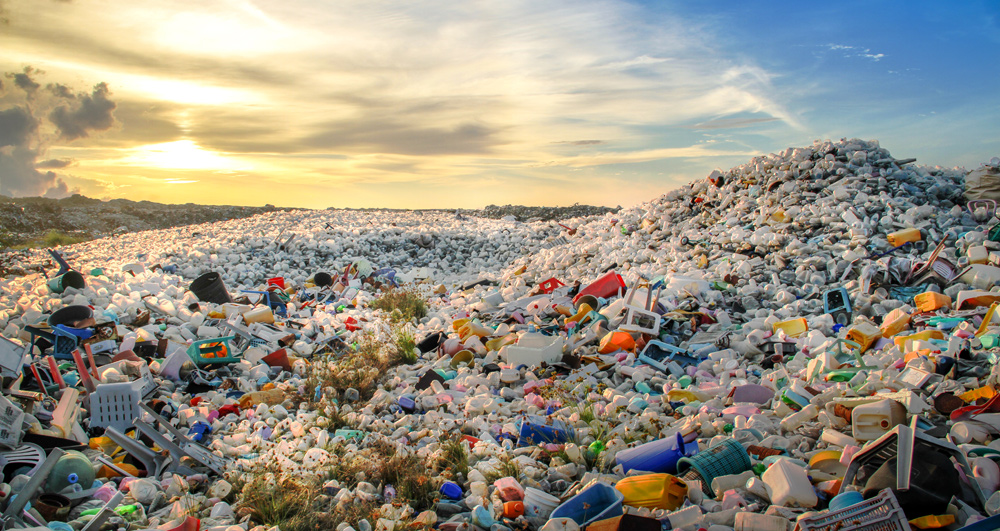 |
The 2019 Triple COPs concluded successfully with a raft of decisions to protect human health and the environment from the harmful effects of chemicals and wastes, including plastic waste.
New era for plastic waste management as governments agree landmark actions on chemicals and waste
Geneva, 10 May 2019 - Decisions on plastic waste have been reached today in Geneva, as approximately 180 governments adopted a raft of decisions aimed at protecting human health and the environment from the harmful effects of hazardous chemicals and waste.
Pollution from plastic waste, acknowledged as a major environmental problem of global concern, has reached epidemic proportions with an estimated 100 million tonnes of plastic now found in the oceans, 80-90% of which comes from land-based sources1. Governments this week amended the Basel Convention to include plastic waste in a legally-binding framework which will make global trade in plastic waste more transparent and better regulated, whilst also ensuring that its management is safer for human health and the environment. At the same time, a new Partnership on Plastic Waste was established to mobilise business, government, academic and civil society resources, interests and expertise to assist in implementing the new measures, to provide a set of practical supports – including tools, best practices, technical and financial assistance - for this ground-breaking agreement.
Other far-reaching decisions from the two weeks included the elimination of two toxic chemical groups, which together total about 4,000 chemicals, listed into Annex A of the Stockholm Convention, namely Dicofol and Perfluorooctanoic Acid (PFOA) and its salts and PFOA-related compounds. The latter has till now been used in a wide variety of industrial and domestic applications including non-stick cookware and food processing equipment, as well as a surfactant in textiles, carpets, paper, paints and fire-fighting foams.
Important progress was also made under the Rotterdam Convention, which provides a legally-binding framework for information exchange and informed decision-making in the trade of certain hazardous pesticides and industrial chemicals. Two chemicals, the pesticide phorate and the industrial chemical hexabromocyclododecane were added to Annex III of the convention, making them subject to the Prior Informed Consent (PIC) Procedure, through which countries can decide on future imports of these chemicals. A further decision, to approve procedures and mechanisms on compliance with the Rotterdam Convention – seen as a crucial step for further improving implementation of this key convention - was adopted with great appreciation by Parties.
Working for two weeks in Geneva under the theme of “Clean Planet, Healthy People: Sound Management of Chemicals and Waste”, approximately 1,400 delegates from around 180 countries converged for the meetings of the Conferences of Parties to the Basel, Rotterdam and Stockholm conventions (Triple COPs). Participants benefited from the numerous opportunities and events to exchange information on alternatives to these chemicals, as well as best practices.
Speaking at the closing session of the Triple COPs, Rolph Payet, Executive Secretary (UNEP) of the three conventions, said that “I’m proud that this week in Geneva, Parties to the Basel Convention have reached agreement on a legally-binding, globally-reaching mechanism for managing plastic waste. Plastic waste is acknowledged as one of the world’s most pressing environmental issues, and the fact that this week close to 1 million people around the world signed a petition urging Basel Convention Parties to take action here in Geneva at the COPs is a sign that public awareness and desire for action is high.”
“We were able to list two out of 7 candidate chemicals and will continue working closely with parties to identify feasible alternative solutions to hazardous pesticides, taking due account of food security and market access aspects” added Hans Dreyer, Executive Secretary (FAO) of the Rotterdam Convention.
Notes for Editors:
The Basel Convention on the Control of Transboundary Movements of Hazardous Waste and their Disposal is the most comprehensive international environmental agreement on hazardous and other wastes and is almost universal, with 187 Parties. With an overarching objective of protecting human health and the environment against the adverse effects of hazardous wastes and other wastes, its scope covers a wide range of wastes defined as “hazardous” based on their origin and/or composition and characteristics, as well as two types of wastes defined as “other wastes” – household waste and incinerator ash. See www.basel.int
Plastic Waste
With an estimated 100 million tonnes of plastic in our seas, 80-90% of which has come from land-based sources, the high public profile of this issue is understandable. Reducing waste generation at source, and improving waste management thereafter, would go a long way towards solving this problem. For more on this see: https://www.brsmeas.org/?tabid=4332&blogId=5169 and https://www.brsmeas.org/tabid/7656/Default.aspx
The Rotterdam Convention on the Prior Informed Consent Procedure (PIC) for Certain Hazardous Chemicals and Pesticides in International Trade, is jointly administered by the United Nations Food and Agriculture Organization (FAO) and UN Environment (UNEP). The 161 Parties to this legally-binding Convention share responsibility and cooperate to safely manage chemicals in international trade. As of the end of this COP, 52 chemicals and pesticides are listed in its Annex III. The Convention does not introduce bans but facilitates the exchange of information among Parties on hazardous chemicals and pesticides, and their potential risks, to inform and improve national decision making. In addition, through the PIC Procedure, it provides a legally-binding mechanism to support national decisions on the import of selected chemicals and pesticides in order to minimize the risk they pose to human health and the environment. See www.pic.int
Listing of Chemicals: Pesticides and Industrial Chemicals under the Rotterdam Convention
The newly-listed chemicals are phorate (a pesticide) and hexabromocyclododecane (an industrial chemical) these chemicals would be included in the prior informed consent (PIC) procedure enabling better-informed decision-making on the trade in chemicals, thereby protecting human health and the environment. More information on these chemicals is available at: https://www.pic.int/tabid/1185/Default.aspx
The Stockholm Convention on Persistent Organic Pollutants is a global treaty to protect human health and the environment from chemicals that remain intact in the environment for long periods, become widely distributed geographically, accumulate in the fatty tissue of humans and wildlife, and have harmful impacts on human health or on the environment. Exposure to Persistent Organic Pollutants (POPs) can lead to serious health effects including certain cancers, birth defects, dysfunctional immune and reproductive systems, greater susceptibility to disease and damage to the central and peripheral nervous systems. The Convention requires its Parties to take measures to eliminate or reduce the release of POPs into the environment. As of today, this legally-binding Convention has 182 Parties, giving it almost universal coverage. As of the end of this COP, 30 chemicals of global concern are listed under the Stockholm Convention. See www.pops.int
Listing of Chemicals: Persistent Organic Pollutants (POPs) under the Stockholm Convention
The two new chemicals listed in Annex A to the Stockholm Convention are the pesticide Dicofol, and Perfluorooctanoic acid (PFOA) its salts and PFOA-related compounds (some applications with time-limited exemptions). Listing in Annex A to the Convention obliges Parties to eliminate these chemicals from use. The two chemicals are listed on the basis of a robust review process addressing risks, management options and alternatives by the UN’s POPs Review Committee. Dicofol is used as a miticide on a variety of field crops, fruits, vegetables, ornamentals and tea and coffee and is known to cause skin irritation and hyperstimulation of nerve transmissions in humans as well as being highly toxic to fish, aquatic invertebrates, algae and birds. PFOA is a widely-used industrial chemical used in the production of non-stick cookware and food processing equipment, as well as a surfactant in textiles, carpets, paper, paints and fire-fighting foams. As a substance of very high concern, it is known to be linked to major health problems including kidney cancer, testicular cancer, thyroid disease and hypertension in pregnancy. More information on these chemicals is available in factsheets at: https://chm.pops.int/tabid/243/Default.aspx
For BRS conventions general media enquiries see: www.brsmeas.org or contact:
Charlie AVIS, Public Information Officer (UN Environment), Geneva +41-79-730-4495
|
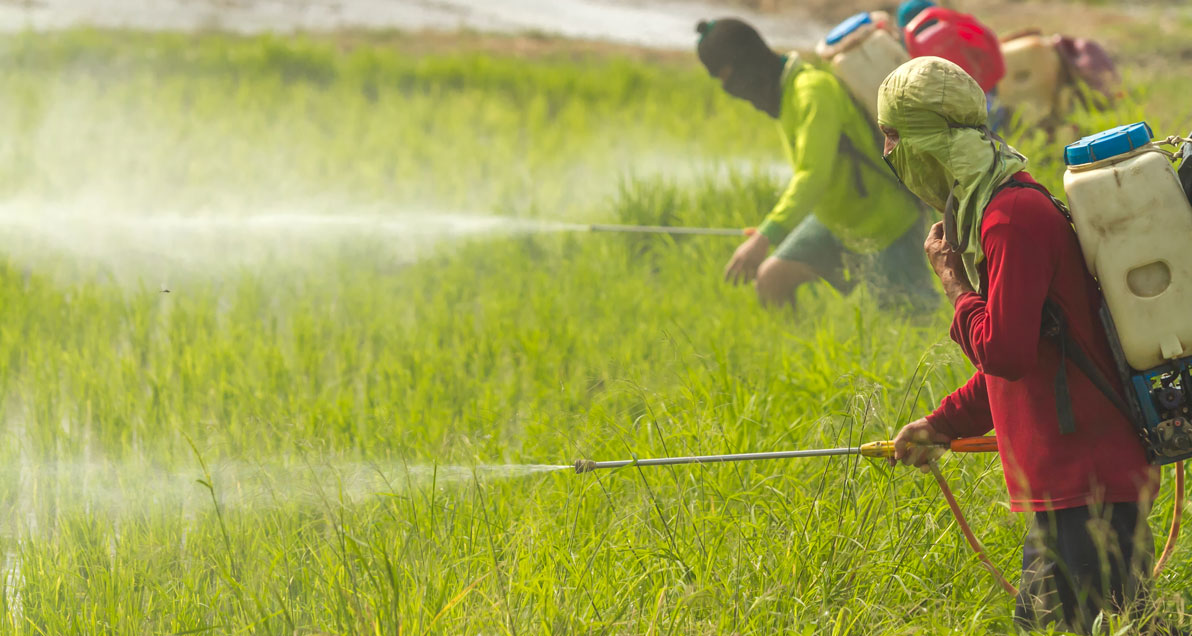 |
To mark World Health Day on 7th April, read the BRS Secretariat’s Press Release calling for greater action to prevent illness and death from unsound management of chemicals and waste.
1.6 million deaths could be prevented annually through the sound management of chemicals and waste
Geneva, 5 April 2019 – Recently, the World Health Organization estimated the ‘disease burden’ preventable through sound management and reduction of chemicals in the environment at around 1.6 million lives per year.1 As the international community marks World Health Day, three UN conventions whose aim is the sound management of chemicals and waste are stressing the need for urgent and greater actions from governments to reduce the number of illnesses and death from hazardous chemicals and wastes.
Causes of death attributable to unsound management of chemicals and wastes include cancers, cardiovascular diseases, chronic obstructive pulmonary disease, congenital anomalies, chronic kidney disease, poisonings, and self-harm.2
One of the pathways taken by hazardous chemicals into the human body is through our food and liquid intake. Persistent Organic Pollutants (or POPs) are highly toxic chemicals known to be carcinogenic, which accumulate in the fatty tissue of mammals, birds and fish. POPs become more concentrated in higher reaches of the food chain, culminating in humans, potentially leading to serious health effects including certain cancers birth defects dysfunctional immune and reproductive systems, greater susceptibility to diseases, and damage to the central and peripheral nervous systems. Toxic chemicals present in the air also impact our health if we inhale them.
The Basel, Rotterdam and Stockholm conventions work to protect people from these harmful impacts in a multitude of ways. With 187, 161, and 182 parties respectively, the three conventions are nearly universal and are legally-binding, covering the life-cycle of hazardous chemicals and wastes, protecting human health and the environment at every stage. This starts with the reduction and elimination of toxic chemicals, includes the minimisation and environmentally sound management of wastes such as electronic waste, mercury waste, plastic waste and more, as well as the creation of innovative public-private partnerships to tackle household waste, mobile phones, and computing equipment.
For example, the Basel Convention – which in March 2019 marked 30 years since adoption and which is primarily concerned with providing the legal framework for controlling transboundary movements of hazardous wastes and other wastes – has developed globally-agreed technical guidelines on how to manage different waste streams in an environmentally sound manner, including the prevention of impacts on human health from lead acid batteries, healthcare and medical waste, and electronic waste, to name just three.
The Rotterdam Convention features transparent trade regulation measures and an obligatory information-sharing system to enable and ensure informed decision-making from governments regarding the refusal, or import and proper use, of more than 50 hazardous industrial chemicals and agricultural pesticides already listed under the Convention. This has led to lowered health risks to people handling such substances, especially including vulnerable groups such as the rural poor, and women and children.
Meanwhile Parties to the Stockholm Convention have listed 28 of the world’s most toxic substances, leading to measurable lowered human exposure as a result of these chemicals’ reduction or elimination, as demonstrated through the Convention’s Global Monitoring Plan which found lowered levels globally in polychlorinated diphenyls (PCBs), DDT and dioxins and furans.3
At the same time, the need for urgent action to achieve the sound management of chemicals and wastes was a key concern at the recent Fourth UN Environment Assembly, where a Resolution4 was adopted on this subject calling on governments and all other relevant stakeholders to take note of progress achieved by the chemicals and waste conventions and to encourage all stakeholders to seek the establishment of permanent programs of information directed to consumers and the public in general, on the risks generated by chemicals and raise awareness of the responsibilities related to their management.
Further decisions which will help prevent illness and reduce preventable deaths will be taken at the next Conference of the Parties to the Basel, Rotterdam and Stockholm Conventions, in Geneva from 29 April to 10 May 2019, the theme for which is “Clean Planet, Healthy People: Sound Management of Chemicals and Waste”. Draft decisions to be discussed include the listing under the Stockholm Convention of the fluorinated chemical Perfluorooctanoic Acid (PFOA), widely used as a water and oil repellent and found to contaminate drinking water supplies in many communities and Dicofol, a highly toxic organochlorine pesticide used to control mites on many crops and known to be harmful to humans and the environment; the listing of seven additional chemicals under the Rotterdam Convention; and a new Basel Convention partnership on plastic waste and amendments to better incorporate plastic waste into the existing control mechanisms of the Convention.
Notes for Editors:
The Basel Convention on the Control of Transboundary Movements of Hazardous Waste and their Disposal is the most comprehensive international environmental agreement on hazardous and other wastes and is almost universal, with 187 Parties. With an overarching objective of protecting human health and the environment against the adverse effects of hazardous wastes, its scope covers a wide range of wastes defined as “hazardous” based on their origin and/or composition and characteristics, as well as two types of wastes defined as “other wastes” – household waste and incinerator ash. See www.basel.int
The Rotterdam Convention on the Prior Informed Consent Procedure (PIC) for Certain Hazardous Chemicals and Pesticides in International Trade, is jointly administered by the United Nations Food and Agriculture Organization (FAO) and UN Environment (UNEP). The 161 Parties to this legally-binding Convention share responsibility and cooperate to safely manage chemicals in international trade. To date 50 chemicals and pesticides are listed in its Annex III. The Convention does not introduce bans but facilitates the exchange of information among Parties on hazardous chemicals and pesticides, and their potential risks, to inform and improve national decision making. In addition, through the PIC Procedure, it provides a legally-binding mechanism to support national decisions on the import of selected chemicals and pesticides in order to minimize the risk they pose to human health and the environment.See www.pic.int
The Stockholm Convention on Persistent Organic Pollutants is a global treaty to protect human health and the environment from chemicals that remain intact in the environment for long periods, become widely distributed geographically, accumulate in the fatty tissue of humans and wildlife, and have harmful impacts on human health or on the environment. Exposure to Persistent Organic Pollutants (POPs) can lead to serious health effects including certain cancers, birth defects, dysfunctional immune and reproductive systems, greater susceptibility to disease and damage to the central and peripheral nervous systems. The Convention requires its Parties to take measures to eliminate or reduce the release of POPs into the environment. As of today, this legally-binding Convention has 182 Parties, giving it almost universal coverage. To date, 28 chemicals of global concern have been listed under the Stockholm Convention.
For BRS conventions general media enquiries see: www.brsmeas.org or contact:
Charlie AVIS,
Public Information Officer (UN Environment), Geneva
+41-79-730-4495
|
 |
To mark International Women’s Day, read our new Press Release on why women and girls are more likely than men to suffer adverse effects from chemicals and waste.
Women disproportionately vulnerable to health risks from chemical and waste pollution
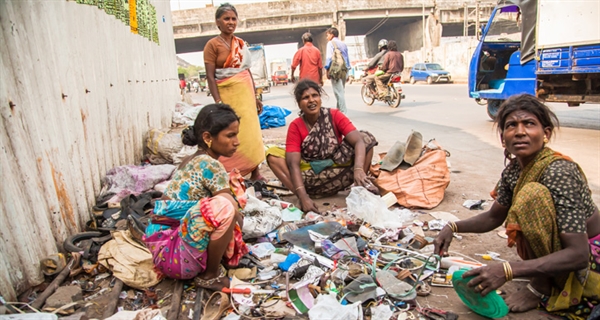
8 March 2019 - Due to a combination of socio-economic, cultural, and physiological factors, women and girls are disproportionately vulnerable to the harmful impact of pollution from chemicals and waste. At the same time, in many countries, women are increasingly assuming leadership roles in raising awareness, and protecting their communities, from these impacts.
The adverse effects of hazardous chemicals and wastes on different groups of the population vary depending on the level of exposure, behavioural patterns, age, biological effect (for example, endocrine disruption), geographical location, nutritional status and co-exposure to other chemicals. Certain types of chemicals, such as persistent organic pollutants (POPs), can build up to dangerous levels in humans causing adverse reproductive, developmental, immunological, hormonal, and carcinogenic effects with varied impacts on vulnerable groups of the population.
Women are often more exposed to chemicals and waste as a result of different socio-economic roles, defined along gender lines. According to a study in Indonesia, and indeed in many countries, women are still expected to perform the bulk of domestic work in and around the house, including the sorting, removal, and disposal of household waste, which in many cases include open burning of plastics and other household waste. This practice exposes women to highly toxic persistent organic pollutants, heavy metals with significant impacts on their health and as potential child bearers. Recent body burden analysis has shown that such chemicals do get passed out to children during pregnancy.1
In farming, more than 40% of agricultural work in developing countries is done by women and girls. Because women are twice as likely to be illiterate2 as men, vital chemical and safety information is often overlooked, increasing the likelihood of mis-handling and consequent unintended exposure to pesticides.
Cultural norms also impact on women and girls’ vulnerabilities. Of the estimated 13,000 chemicals3 used in beauty and hygiene products only about 10% have been evaluated for safety. A recent study concluded that women of colour, independent of socio-economic status, are most exposed to higher levels of such chemicals4 as a result of using products such as skin-whiteners and hair products, which often contain toxic substances, including heavy metals such as mercury and lead.
Such socio-economic and cultural factors are compounded by physiological differences between women and men, since their smaller size and role in the reproductive cycle, women are proportionately more heavily impacted than men even when exposure is the same. Up to 33% of a woman’s chemical burden can be passed on to her baby during gestation, through the placenta, as well as via breastfeeding.5 Women are often not even aware of the health risks they are facing, especially given that some of these chemicals can remain in the body for long periods and manifest themselves later in time.
On the other hand, there has been progress. Women are increasingly stepping forward to take on leadership roles to protect the most vulnerable segments of our population from the potentially harmful effects of certain chemicals and wastes. Both the Gender Heroes publication and the Gender Pioneers initiative under the BRS Conventions point to examples of the empowerment of women in marginalised communities and the impacts that their actions have had, for example, in the promotion of ecological agriculture, in the reduction of use of highly hazardous pesticides, in the protection of children from the toxics found in toys, and in the safer recovery and management of recyclable elements of e-waste from landfill sites. For more information on the BRS Gender Heroes and Gender Pioneers see: https://www.brsmeas.org/?tabid=4759
These examples emphasise the need for enhanced gender considerations and sound management of chemicals and wastes in the broader push for implementing the sustainable development goals (SDGs). Indeed the relationship between chemicals and wastes and gender, under SDG 5, requires constant emphasis, attention, and mainstreaming. This will be further explored during the next Conference of the Parties to the Basel, Rotterdam and Stockholm Conventions, in Geneva from 29 April to 10 May 2019, the theme for which is “Clean Planet, Healthy People: Sound Management of Chemicals and Waste”.
Notes for Editors:
The Basel Convention on the Control of Transboundary Movements of Hazardous Waste and their Disposal is the most comprehensive international environmental agreement on hazardous and other wastes and is almost universal, with 187 Parties. With an overarching objective of protecting human health and the environment against the adverse effects of hazardous wastes, its scope covers a wide range of wastes defined as “hazardous” based on their origin and/or composition and characteristics, as well as two types of wastes defined as “other wastes” – household waste and incinerator ash. See www.basel.int
The Rotterdam Convention on the Prior Informed Consent Procedure (PIC) for Certain Hazardous Chemicals and Pesticides in International Trade, is jointly administered by the United Nations Food and Agriculture Organization (FAO) and UN Environment (UNEP). The 161 Parties to this legally-binding Convention share responsibility and cooperate to safely manage chemicals in international trade. To date 50 chemicals and pesticides are listed in its Annex III. The Convention does not introduce bans but facilitates the exchange of information among Parties on hazardous chemicals and pesticides, and their potential risks, to inform and improve national decision making. In addition, through the PIC Procedure, it provides a legally-binding mechanism to support national decisions on the import of selected chemicals and pesticides in order to minimize the risk they pose to human health and the environment. See www.pic.int
The Stockholm Convention on Persistent Organic Pollutants is a global treaty to protect human health and the environment from chemicals that remain intact in the environment for long periods, become widely distributed geographically, accumulate in the fatty tissue of humans and wildlife, and have harmful impacts on human health or on the environment. Exposure to Persistent Organic Pollutants (POPs) can lead to serious health effects including certain cancers, birth defects, dysfunctional immune and reproductive systems, greater susceptibility to disease and damage to the central and peripheral nervous systems. The Convention requires its Parties to take measures to eliminate or reduce the release of POPs into the environment. As of today, this legally-binding Convention has 182 Parties, giving it almost universal coverage. To date, 28 chemicals of global concern have been listed under the Stockholm Convention.
For more on gender aspects of chemicals and waste, see https://www.brsmeas.org/?tabid=3651 or contact Susan WINGFIELD, Secretariat of the Basel, Rotterdam and Stockholm Conventions (UNEP), Geneva: +41-79-233-3218, +41-22-917-78406, susan.wingfield@brsmeas.org
For BRS conventions general media enquiries see www.brsmeas.org or contact Charlie AVIS, Public Information Officer (UN Environment), Geneva +41-79-730-4495
1 From the BRS Scoping Study on Gender in Indonesia, full report here: https://www.brsmeas.org/?tabid=5816
2 Both statistics from FAO data summarised in the infographic at: https://www.fao.org/resources/infographics/infographics-details/en/c/180754/
3 Zota & Shamasunder, 2017, The environmental injustice of beauty: framing chemical exposures from beauty products as a health disparities concern, American Journal of Obstetrics & Gynecology, Vol 127(4):418 online: https://www.ncbi.nlm.nih.gov/pubmed/28822238
4 Ibid
5 UNDP, 2017, Gender Mainstreaming - a Key Driver of Development in Environment & Energy. Available online: https://www.undp.org/content/dam/undp/library/Environment%20and%20Energy/Sustainable%20Energy/Gender_Mainstreaming_Training_Manual_2007.pdf
|
 |
Read the BRS Press Release on marine litter, as BRS and Barcelona conventions join forces to help beat plastic pollution.
Improved governance called for to prevent 12,000 million tonnes of plastic waste by 2050
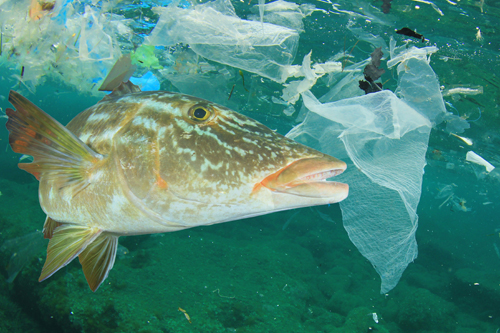
7th December 2018: Geneva, Switzerland - With UN Environment reporting that 12,000 million tonnes of plastic will be in landfills or in the natural environment by 2050 under current trends1, the international community mobilised in Geneva, Switzerland this week to explore ways to tackle marine plastics litter, one of the most visible and pressing environmental issues of our time.
Improved governance, a holistic approach, a possible new global treaty, strengthening existing initiatives and instruments, and better coordination among them, were considered as options, which will go to the next UN Environment Assembly, UNEA-4 in Nairobi next March, for consideration and actioning.
One existing legally-binding instrument, the Basel Convention, was recognised as a valuable avenue for governments and stakeholders to tackle plastic pollution, given it is almost universal and has a number of relevant features, with amendments being discussed at its next conference of the parties next year. Focussing on tackling waste generation at source and at the household level, a Basel Convention Partnership on Household Waste was initiated in 2017 to explore and disseminate innovative solutions, an integrated approach, avoidance and minimisation of waste at source as well systems for the collection, separation, transport, storage, treatment, processing, recycling and where necessary, final disposal, of household waste. More information is available here: https://www.basel.int/?tabid=5082.
Responding to the call for urgency and to improve actions in the Mediterranean region, strengthened cooperation between international agreements was announced on Friday 6th December, with the secretariats of the Barcelona Convention2 and the Basel, Rotterdam and Stockholm conventions3 signing a new memorandum of understanding aimed at boosting regional efforts including to beat plastic pollution.
Next, the Basel Convention’s Conference of the Parties (COP), in April/May 2019, will consider a range of additional steps to better address the challenges of plastics wastes4 including proposed amendments to the Convention to better address plastic wastes5; a set of further actions and establishing a new Partnership on Plastic Waste designed as an international vehicle for public-private cooperation, sharing of best practices, and technical assistance in the area of at-source measures to minimise and more effectively manage plastic waste, thus helping tackle the global environmental problem of marine plastic litter. More information on minimising plastic waste is available here: https://www.basel.int/?tabid=6068.
NOTES for EDITORS:
The Secretariat of the Basel, Rotterdam, and Stockholm Conventions, or BRS Secretariat, supports parties implement the three leading multilateral environment agreements governing chemicals and waste, in order to protect human health and the environment. See www.brsmeas.org for more info and follow @brsmeas twitter feed for daily news.
The Barcelona Convention was adopted in 1976 and aims to protect and improve the marine and coastal environment in the Mediterranean, whilst promoting regional and national plans contributing to sustainable development. Today, 21 countries surrounding the Mediterranean Sea, as well as the European Union, are Contracting Parties to the Barcelona Convention. The UN Environment / Mediterranean Action Plan (MAP) is a cooperative effort to support the implementation of the Barcelona Convention. See web.unep.org/unepmap for more info.
Media enquiries, interviews:
Charlie Avis
Public Information Officer
BRS Secretariat
Charles.avis@brsmeas.org
Tel: +41-79-7304495
2. Barcelona Convention for the Protection of the Marine Environment and the Coastal Region of the Mediterranean.
3. Basel Convention on the Control of Transboundary Movements of Hazardous Wastes and their Disposal, Rotterdam Convention on the Prior Informed Consent Procedure for Certain Hazardous Chemicals and Pesticides in International Trade and Stockholm Convention on Persistent Organic Pollutants
|
 |
The Rotterdam and Stockholm scientific subsidiary bodies’ meetings - CRC13 and POPRC13 - successfully concluded recently in Rome, and the official Press Release is now online.
UN scientists recommend listing of 5 more chemicals
|
462